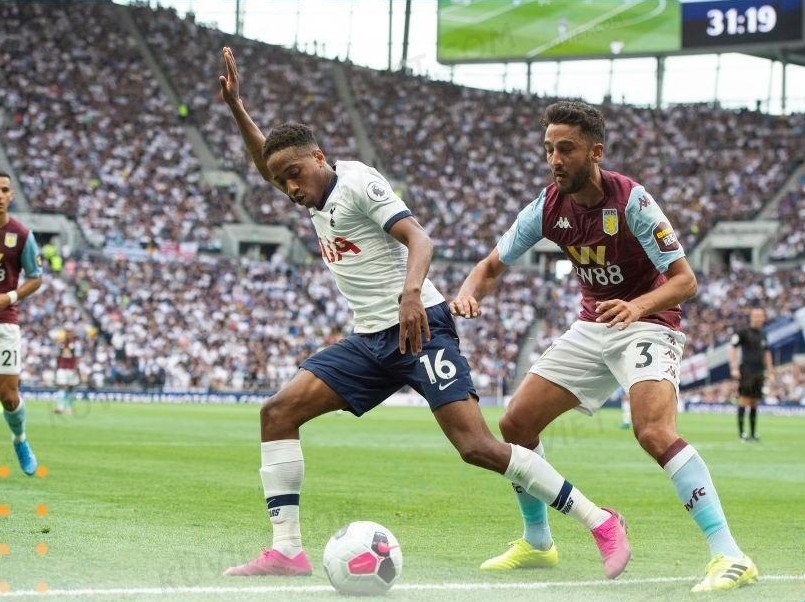
Tottenham finally scored their first Premier League goals of the 2026/27 season, but there was little reason to celebrate after a 3-2 home defeat to Aston Villa extended their winless league start to five matches.
Spurs entered the game without a league goal in their opening four fixtures, the first time in the club’s history they had started a league season with four consecutive blanks. Against Villa, Conor Gallagher and Jan Paul van Hecke finally broke that run — but both goals came late after Tottenham had already fallen 3-0 behind.
The result leaves Roberto De Zerbi’s team with only two points from five Premier League games and raises a bigger question: is Tottenham’s problem really just finishing?
Tottenham vs Aston Villa: Spurs created chances but lost control
Tottenham’s 3-2 defeat to Aston Villa finally ended Spurs’ Premier League goal drought, but the result exposed problems that go far beyond finishing.
Tottenham started strongly and created pressure, but Aston Villa were far more clinical when opportunities appeared. Johan Manzambi opened the scoring in first-half stoppage time before Nicolas Jackson and Emi Buendía extended Villa’s advantage after the break.
That contrast has become a recurring issue for Spurs.
They can reach dangerous areas, but possession and territory have not consistently translated into high-quality chances or goals. Recent analysis has highlighted frequent changes to Tottenham’s starting XI, injuries and the difficulty of integrating a large number of new players into De Zerbi’s system.
VAR added to Tottenham’s frustration
Tottenham briefly appeared to have equalised when Mohammed Kudus scored during the second half.
However, VAR overturned the goal because Andy Robertson had been in an offside position during the build-up.
The Premier League Match Centre confirmed that Robertson’s position led to the goal being disallowed.
For a team already struggling for confidence in front of goal, the decision only added to the frustration.
Why Tottenham’s attack has struggled
Tottenham’s offensive problems cannot be explained by one player.
De Zerbi is working with a heavily changed squad after a summer in which Spurs spent more than £300 million on reinforcements. New additions include players such as Sandro Tonali, Savio, Omar Marmoush, Mohammed Kudus and others who are still adapting to new roles and tactical demands.
Dominic Solanke has also struggled to find his best level, with De Zerbi recently pointing to his physical condition as one factor behind his performances.
The result is an attack that often looks disconnected.
There is talent across the front line, but movements, combinations and timing are not yet consistently coordinated.
Injuries and squad turnover are making adaptation harder
Tottenham’s problems are also connected to availability.
Dejan Kulusevski and other important players have dealt with injuries, while a significant amount of turnover has made it difficult for De Zerbi to establish a settled lineup.
That matters because De Zerbi’s style relies heavily on coordination.
Players need to understand when to drop into midfield, when to attack space, when to press and how to create passing options under pressure.
Those automatisms take time.
The defensive problems are just as important
The conversation around Tottenham has focused heavily on their lack of goals, but the Aston Villa defeat showed that the defensive side of the team also needs attention.
Villa were able to punish mistakes and transitions efficiently, opening a three-goal lead before Tottenham’s late response.
De Zerbi criticised his team’s lack of discipline during key moments after the match.
Scoring more will help, but Tottenham will struggle to win consistently if they continue conceding avoidable chances.
Are there any positives for Spurs?
There were some.
Gallagher and Van Hecke finally ended Tottenham’s league scoring drought, while Spurs showed enough attacking intent late in the match to make Villa uncomfortable.
De Zerbi has also continued to express confidence that the team will improve once the new squad begins to understand his system more naturally.
The issue is time.
Tottenham’s poor start means improvements must arrive quickly if they want to avoid spending the first half of the season trying to recover lost ground.
What comes next for Tottenham?
Tottenham now face another difficult test against Manchester United after the international break.
That match will provide another indication of whether the two late goals against Villa were the beginning of an attacking improvement or simply consolation in another disappointing result.
The goal drought may be over.
Tottenham’s wider problems are not.